




Can my employer give me a bad reference?
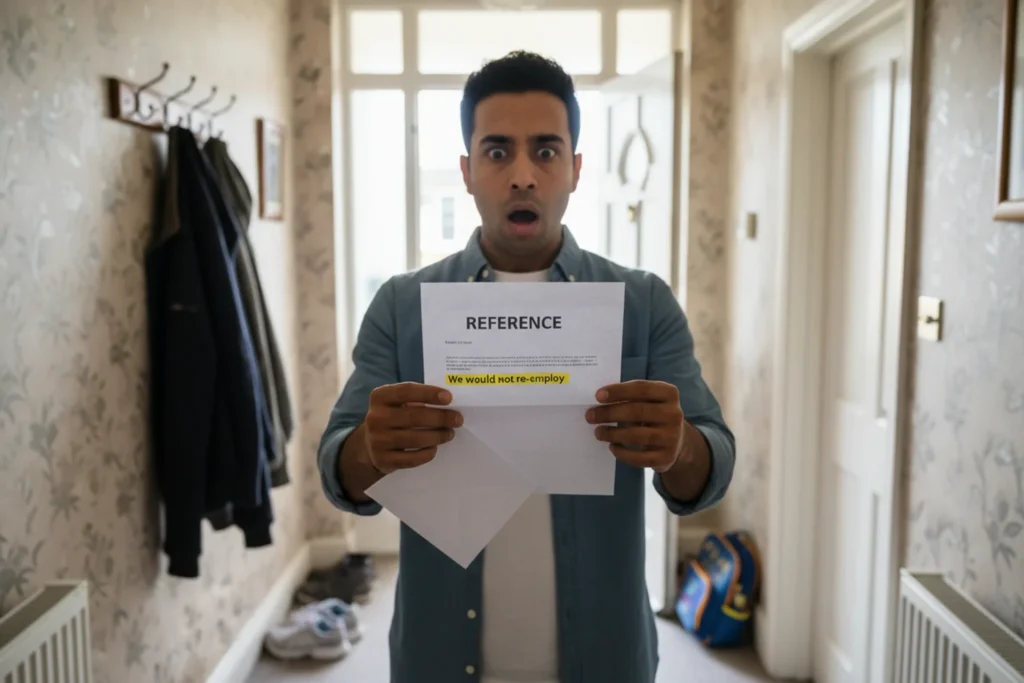
You've been offered a new job, "subject to references". Then the offer is suddenly withdrawn. Or you may be worrying about what your old boss is going to say if your prospective new employer is asking for a reference for you.

Can your employer give you a bad reference?
The short answer is: Yes, your employer can give you a reference that isn’t glowing, but it can’t say whatever it likes.
A reference must be true, accurate and fair. If it isn’t, and it costs you a job, you may be able to claim compensation.
This guide explains what your employer can and can’t say in a reference, what to do if a bad reference has cost you a job, and how to protect yourself, before you leave, against bad references.

Does my employer have to give a reference for me?
In most jobs, no. There’s no general legal duty to give a reference, unless your contract says otherwise, or unless you’re leaving with a settlement agreement which includes an agreed reference.
Some regulated jobs are different. In parts of financial services, for example, firms must give a reference.
Many employers only give a short, factual reference: with your job title and the dates you worked there.
Just because it’s short, it isn’t necessarily a bad reference and new employers are used to them.
But if your employer refuses to give you a reference because you complained about discrimination or harassment, or because you blew the whistle on wrongdoing, that refusal may itself be unlawful.
What can my employer say in a reference?
If your employer does give you a reference, it must take reasonable care that it’s:
- true, with no false statements
- accurate, with the facts right
- fair, so the overall picture isn’t misleading
So a reference can mention genuine problems, such as a real performance issue or a disciplinary warning you were given.
But it shouldn’t:
- mention allegations that were never investigated, or that you never had a chance to answer
- focus on one bad incident in a way that gives a false picture of your whole time there
- include opinions that aren’t backed up by facts
- mention your sickness absence in a way that discriminates against you because of a disability
When you can make a claim if you’ve been given a bad reference
Depending on what happened, you may have one of these claims:
A careless or misleading reference. If your employer didn’t take care to get the reference right, and you lost a job as a result, you may be able to claim for your losses. That could include the pay from the job you missed out on.
Victimisation or discrimination. “Victimisation” means being treated badly because you complained about discrimination or supported someone else’s complaint.
If your reference was bad as an expression of discrimination against you because of your race, sex, disability, age or another protected characteristic, you can claim. That’s true even after you’ve left. See our guide to victimisation at work.
Whistleblowing. If you’re given a bad reference because you blew the whistle (called “making a protected disclosure”), that can also be unlawful. Our guide to whistleblowing explains what counts.
Breaking a settlement agreement. If you left with a settlement agreement that included an agreed reference, your employer must stick to it.
What to do if a bad reference has cost you a job
Try to keep calm. Then:
- Write down what happened and when, while it’s still fresh in your mind.
- Keep all relevant documents such as the job offer, any conditions, and any message withdrawing it.
- Ask the new employer whether the reference was the reason why they withdrew the job offer, and whether they’d be willing to show you the reference.
- Ask your old employer, in writing, for a copy of what the reference said.
- Get advice quickly. Strict time limits apply.
You can also make a subject access request to your former employer. That’s a request for the personal information that they hold about you.
You may not get the reference itself this way, because references given in confidence are often exempt. But you may get emails and notes about it, which can be just as revealing. Our guide to subject access requests explains how.
No-one wants this kind of claim to go to a tribunal
Most individuals don’t want to spend months, or even years, waiting for a tribunal hearing to hear their claim. They just want the problem put right so they can get on with their life and a new job.
The good news for you is that your employer can’t be sure you won’t take your claim to a tribunal.
An employer faced with a well-prepared complaint about a damaging reference will often be willing to agree to a fair reference, and sometimes also a payment to you, rather than risk the time and cost of a tribunal claim.
Protect your reference before you leave
The best time to sort out your reference is before you leave your job.
If you’re leaving under a settlement agreement, you can usually agree the exact wording of your reference as part of the deal. You can also agree that your employer won’t give any other reference, and that phone enquiries will be answered in the same way.
Our guide to references in settlement agreements explains what to ask for.
If you’re resigning or being dismissed without a settlement agreement, ask your employer in writing what it will say about you in a reference. Also check what its policy is on providing references, such as providing only factual references.

Frequently asked questions about work references
Can my employer say in my reference that I was dismissed?
Yes, if it’s true and the reference is fair overall. What it shouldn’t do is give a misleading picture, for example by stating you were dismissed for misconduct without saying that you’re appealing.
Can my employer mention my sickness absence?
It can give accurate facts, but it must be careful. If your absence was linked to a disability, mentioning it in a way that puts off a new employer may be disability discrimination.
Can I see my reference?
Not always. Your old employer doesn’t have to show you a reference that’s been given in confidence, but it’s worth asking. If they won’t oblige, you could make a subject access request which may turn up emails or notes about it.
My employer gave me a bad reference after I left. Is it too late to make a claim?
Not necessarily. Some claims, such as victimisation, can be brought after you’ve left. But time limits are strict, so act as soon as you find out.
Can I insist on a good reference?
No, not unless your contract or a settlement agreement says you can. That’s why agreeing on the wording of a reference before you leave is so valuable.
What next?
Monaco Solicitors acts only for employees and workers. Not employers.
We regularly negotiate agreed references as part of settlement agreements. We also help people whose careers have been damaged by unfair or unlawful references.
If your case is suitable, we may be able to act on a no win no fee basis, so you don’t pay us unless you get a positive result.
We work with clients across the UK by phone, video call, email and messaging.
Tell us about your case here and we’ll get back to you promptly – usually within an hour.
Alternatively, email us at [email protected]
Or phone 020 7717 5259.
Our related guides
- Settlement agreements in employment conflicts: How much should I get?
- Getting references from employers in settlement agreements
- Victimisation at work
- Subject access requests made by employees
- Whistleblowing solicitors for employees
- Dismissed for gross misconduct: Was it fair, and what can you do about it?